
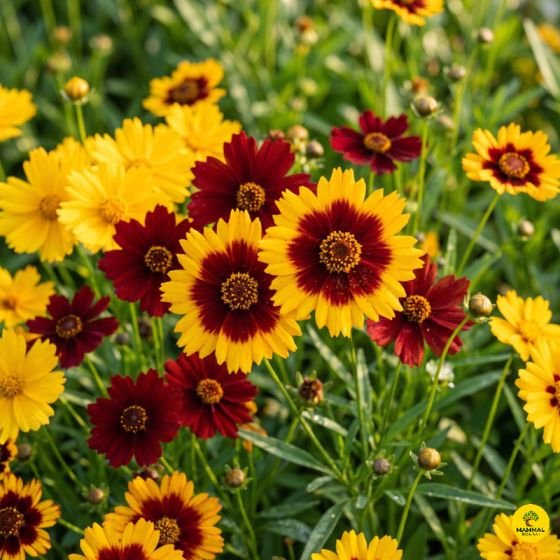
Coreopsis Flower Seeds are a great choice for gardeners looking for an easy-to-grow flowering plant with abundant, cheerful blooms.
Coreopsis tinctoria is an annual species that produces upright, branching growth and daisy-like flowers. The typical species has bright yellow flower heads with red centres, while cultivated Coreopsis varieties are available in additional shades and patterns. Plants can reach around 50–100 cm, depending on variety and growing conditions.
Coreopsis grows best in full sun and fertile, well-drained soil. It can be grown directly from seed, and RHS specifically recommends direct sowing for Coreopsis tinctoria.
📋 Product Details
| Feature | Details |
|---|---|
| Product Name | Coreopsis Flower Seeds |
| Botanical Name | Coreopsis tinctoria |
| Common Names | Coreopsis, Dyer’s Tickseed, Golden Tickseed |
| Plant Type | Annual Flowering Plant |
| Family | Asteraceae |
| Flower Colors | Yellow with red/dark centres; colors vary by variety |
| Flower Type | Daisy-like flower heads |
| Plant Height | Approx. 50–100 cm |
| Growth Habit | Upright, branching |
| Sunlight | Full Sun |
| Soil | Fertile, well-drained soil |
| Watering | Moderate, regular watering |
| Propagation | Seeds |
| Flowering | Summer to early autumn under suitable conditions |
| Suitable For | Pots, Containers, Borders, Garden Beds & Cut Flowers |
RHS lists Coreopsis tinctoria at 0.5–1 m height, with full sun and well-drained soil, while cultivated forms can be considerably shorter.
🌿 About Coreopsis
Coreopsis is a cheerful ornamental flowering plant belonging to the Asteraceae family. Its delicate foliage and long-stemmed daisy-like flowers make it especially attractive when planted in groups.
The species Coreopsis tinctoria is naturally distributed from Canada to eastern Mexico and is an annual plant. Kew also records it as introduced in parts of India.
It can be grown in patio containers, flower borders, cottage-style gardens, wildlife gardens and cut-flower areas. Regular deadheading can help prolong the flower display.
🇮🇳 Best Sowing Season in India
North Indian Plains – Haryana, Delhi, Punjab, Rajasthan & Western UP
For winter cultivation in North Indian plains, September to October can be used for starting Coreopsis seeds, particularly when temperatures are becoming moderate.
For direct sowing, RHS’s seed guide gives 15–20°C as a germination range for Coreopsis tinctoria.
In regions with different climates, adjust sowing according to local temperature rather than following a fixed calendar.
🌱 How to Grow Coreopsis from Seeds
1️⃣ Seed Sowing
- Coreopsis can be directly sown where the plants are intended to grow.
- Prepare a fine, loose and well-drained seed bed.
- Scatter seeds evenly and cover them lightly with fine soil or growing medium.
- Keep the surface consistently moist.
RHS specifically recommends direct sowing Coreopsis tinctoria and lightly covering the seeds.
2️⃣ Germination
- Ideal temperature: approximately 15–20°C
- Keep the medium moist but not waterlogged.
- Provide bright light after sowing.
- RHS lists germination at around 30 days under the specified conditions, although actual results can vary with seed quality and environment.
3️⃣ Transplanting
Direct sowing is preferable where practical. If starting in seed trays, transplant young seedlings carefully once they are established and large enough to handle.
4️⃣ Spacing
Maintain around 20–30 cm spacing between plants, adjusting according to the variety and desired planting density.
5️⃣ Watering 💧
Water regularly during establishment.
Once plants are established, avoid keeping the soil continuously saturated. Coreopsis performs best in well-drained soil.
6️⃣ Soil Requirement
Use a fertile, loose and well-draining growing medium.
Recommended pot mix:
- 40% garden soil
- 30% compost/vermicompost
- 20% cocopeat
- 10% coarse sand/perlite
Good drainage is important for healthy root development.
7️⃣ Sunlight ☀️
Provide full sun for strong growth and flowering. RHS lists full sun as the preferred position for Coreopsis tinctoria.
8️⃣ Fertilization
Once plants are established, feed with a balanced liquid fertilizer at a mild concentration every 2–3 weeks during active growth.
Avoid excessive nitrogen, as it can encourage foliage growth over flowering.
🌿 Plant Care Tips
✔ Provide plenty of direct sunlight.
✔ Use fertile but well-drained soil.
✔ Keep young seedlings evenly moist.
✔ Avoid excessive watering and waterlogging.
✔ Maintain good air circulation.
✔ Remove faded flowers regularly to prolong the flowering display.
✔ Taller varieties may benefit from light support in exposed locations.
✔ Coreopsis is generally considered relatively pest- and disease-free, although individual growing conditions can vary.
❓ Frequently Asked Questions
Q. Can Coreopsis be grown in pots?
Yes. Coreopsis can be grown successfully in containers and patio pots, provided the container has good drainage.
Q. When should I sow Coreopsis seeds in Haryana?
For a winter-growing crop in the North Indian plains, September–October is a practical sowing window as temperatures start becoming cooler.
Q. Does Coreopsis need full sun?
Yes. Coreopsis generally performs best in full sun.
Q. What temperature is suitable for Coreopsis seed germination?
RHS’s seed guide lists approximately 15–20°C for Coreopsis tinctoria.
Q. How tall does Coreopsis grow?
Coreopsis tinctoria can reach approximately 50–100 cm, although dwarf cultivars may remain much shorter.
Q. Can Coreopsis be used as a cut flower?
Yes. Coreopsis is listed by RHS among plants suitable for cut flowers.
Q. Does deadheading help Coreopsis?
Yes. Removing spent flowers can help prolong the flower display.
🌟 Special Features
- 🌼 Cheerful daisy-like flowers
- 💛 Bright yellow blooms with contrasting centres
- 🌿 Delicate, attractive foliage
- ☀️ Excellent full-sun flowering plant
- 🪴 Suitable for pots and containers
- 🌱 Can be grown directly from seed
- 🦋 Suitable for wildlife-friendly gardens
- ✂️ Useful as a cut flower
- 🌸 Excellent for borders and garden beds
- 🌿 Fast-growing annual species
📌 Important Note
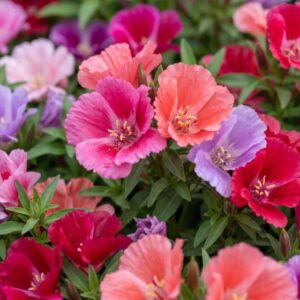
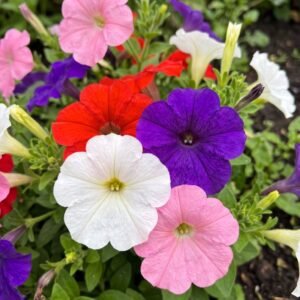
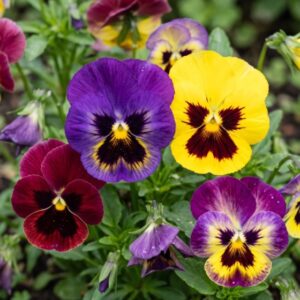
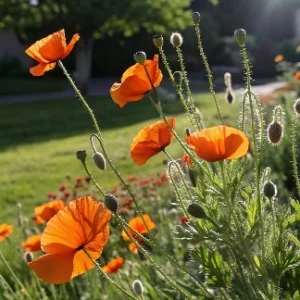
Images are for reference only. Actual flower color, flower size, plant height and flowering depend on seed variety, climate, soil, and care.
Reviews
There are no reviews yet.