
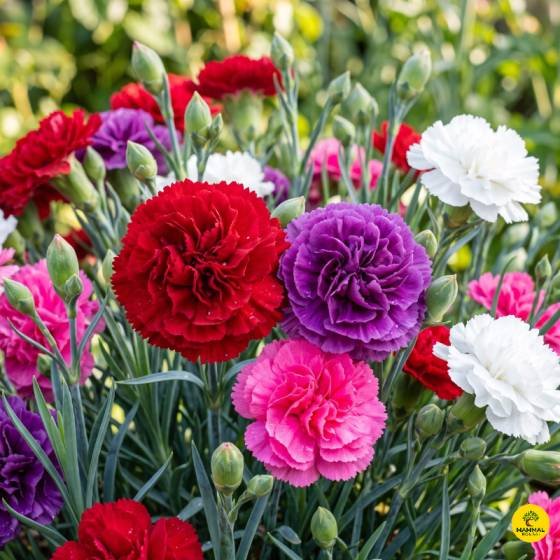
Carnation Flower Seeds are an excellent choice for gardeners who want elegant, long-lasting flowers with attractive grey-green foliage and a pleasant spicy fragrance.
True carnation (Dianthus caryophyllus) is a perennial ornamental plant that can develop a woody base with age. The species can grow up to around 80 cm, with flowers generally around 3–5 cm across; cultivated varieties are available in a wide range of colors including red, pink, yellow, white and green.
Carnations prefer a sunny position and well-drained soil. They are also suitable for containers, flower borders and cut-flower gardens. Regular deadheading can help prolong flowering.
📋 Product Details
| Feature | Details |
|---|---|
| Product Name | Carnation Flower Seeds |
| Botanical Name | Dianthus caryophyllus |
| Common Names | Carnation, Clove Carnation, Clove Pink |
| Plant Type | Herbaceous Perennial |
| Family | Caryophyllaceae |
| Flower Colors | Red, Pink, White, Purple & other cultivated shades |
| Flower Type | Frilled / ruffled, fragrant flowers |
| Plant Height | Approx. 30–80 cm |
| Growth Habit | Upright, bushy |
| Flower Size | Approx. 3–5 cm in species; larger in some cultivars |
| Sunlight | Full Sun |
| Soil | Fertile, well-drained soil |
| Watering | Moderate, regular watering |
| Flowering | Mainly cool to mild growing periods, depending on variety and climate |
| Suitable For | Pots, Containers, Balcony, Terrace, Borders & Cut Flowers |
Kew describes true carnation as growing up to about 80 cm with grey-green foliage and 3–5 cm flowers, while RHS lists full sun and well-drained soil as suitable growing conditions.
🌿 About Carnation
Carnation is one of the classic ornamental Dianthus flowers. Its narrow grey-green leaves and attractive flowers make it particularly suitable for decorative pots and flower beds.
The flowers have a characteristic spicy fragrance, often described as having notes similar to clove, cinnamon and nutmeg. Cultivated carnations occur in numerous colors and are also widely used as cut flowers.
🇮🇳 Best Sowing Season in India
North Indian Plains – Haryana, Delhi, Punjab, Rajasthan & Western UP
For winter flowering in North Indian plains, September to October is a practical sowing period, with plants growing during the cooler months.
Avoid starting seeds during the peak summer heat. Carnations perform best when grown with good sunlight, moderate temperatures and excellent drainage.
🌱 How to Grow Carnation from Seeds
1️⃣ Seed Sowing
- Use a fine, loose and well-draining seed-starting mix.
- Sow seeds shallowly, covering them only lightly with fine growing medium.
- Keep the seed bed evenly moist.
- Place the tray where it receives bright light but is protected from harsh afternoon heat.
2️⃣ Germination
Keep the growing medium consistently moist but never waterlogged.
Germination time can vary depending on seed quality, temperature and growing conditions.
3️⃣ Transplanting
Once seedlings have developed several true leaves and are strong enough to handle, transplant them carefully into individual pots.
Avoid excessive root disturbance during transplanting.
4️⃣ Spacing
Maintain approximately 20–30 cm spacing between plants, depending on the variety and desired appearance.
5️⃣ Watering 💧
Water when the upper layer of soil starts becoming slightly dry.
Carnations prefer moist but well-drained soil rather than continuously wet roots.
6️⃣ Soil Requirement
Use a fertile, porous and well-draining potting mix.
Recommended mix:
- 40% garden soil
- 30% compost/vermicompost
- 20% cocopeat
- 10% coarse sand/perlite
The most important factor is good drainage.
7️⃣ Sunlight ☀️
Carnations prefer full sun and should receive several hours of direct sunlight for strong growth and flowering. RHS specifically recommends a sunny position.
8️⃣ Fertilization
Once plants are established, apply a balanced liquid fertilizer at a mild concentration every 2–3 weeks during active growth.
Avoid excessive nitrogen because it can encourage excessive foliage.
🌿 Plant Care Tips
✔ Provide plenty of sunlight.
✔ Use a well-draining potting mix.
✔ Avoid keeping the soil constantly wet.
✔ Maintain good air circulation around plants.
✔ Remove faded flowers regularly to encourage continued flowering. RHS recommends regular deadheading to prolong flowering.
✔ Provide light support if tall flower stems become weak.
✔ Monitor plants for aphids and fungal problems such as powdery mildew and rust.
❓ Frequently Asked Questions
Q. Can Carnation be grown in pots?
Yes. Carnations are well suited to containers and patio gardens when provided with good drainage and sufficient sunlight.
Q. When should I sow Carnation seeds in Haryana?
For winter cultivation in the North Indian plains, September–October is a suitable starting window.
Q. Does Carnation need full sun?
Yes. Carnations generally perform best in a full-sun position.
Q. How often should I water Carnations?
Water when the upper soil starts drying. Avoid excessive watering and waterlogging.
Q. Are Carnation flowers fragrant?
Yes. True carnations are known for their pleasant, spicy fragrance.
Q. Can Carnations be used as cut flowers?
Yes. Carnations are widely grown as ornamental and cut flowers.
Q. How tall do Carnation plants grow?
True Dianthus caryophyllus can reach around 80 cm, although actual height varies considerably with the cultivar and growing conditions.
🌟 Special Features
- 🌸 Beautiful ornamental flowers
- 🌺 Attractive ruffled/frilled blooms
- 🌈 Available in multiple colors
- 🌿 Attractive grey-green foliage
- 🌹 Pleasant spicy fragrance
- 🪴 Suitable for pots and containers
- 🌞 Performs well in full sun
- ✂️ Excellent for cut-flower arrangements
- 🏡 Suitable for home gardens, balconies and borders
📌 Important Note
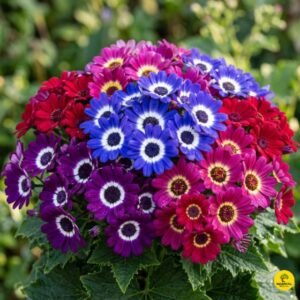
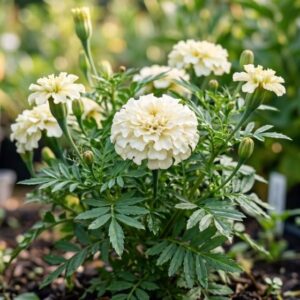
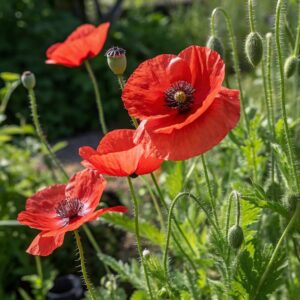
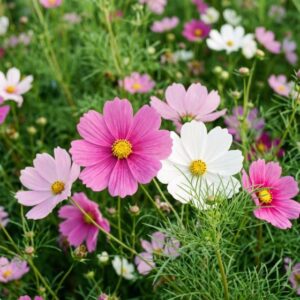
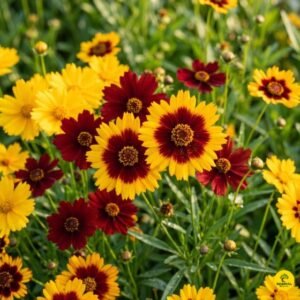
Images are for reference only. Actual flower color, flower size, plant height and flowering depend on seed variety, climate, soil, and care.
Reviews
There are no reviews yet.