
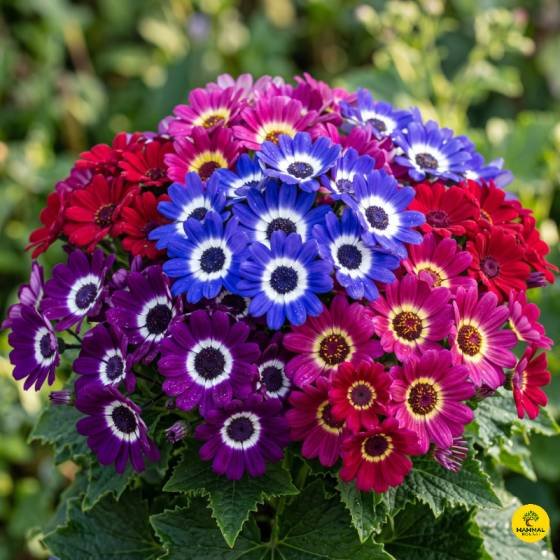
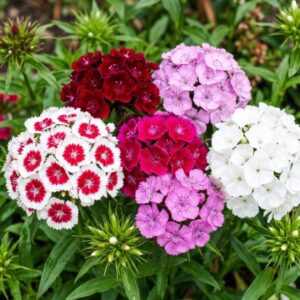
Cineraria Flower Mix Seeds are ideal for creating a colorful winter flower display in pots, containers and garden beds. The plants form a compact, bushy growth with large green leaves and clusters of bright daisy-like flowers.
The florist’s cineraria group is generally grown as an annual or short-lived perennial and is especially appreciated for its vivid pink, purple, blue, red and white flowers. Cineraria prefers cool growing conditions, fertile well-drained soil and good light.
For successful seed starting, RHS recommends sowing at approximately 13–18°C, making a cool growing period important for good establishment.
📋 Product Details
| Feature | Details |
|---|---|
| Product Name | Cineraria Flower Mix Seeds |
| Botanical Name | Pericallis × hybrida |
| Common Names | Cineraria, Florist’s Cineraria |
| Plant Type | Cool-season flowering plant |
| Family | Asteraceae |
| Flower Colors | Mix of Pink, Purple, Blue, Red & White |
| Flower Type | Daisy-like flowers |
| Plant Height | Approx. 20–50 cm |
| Growth Habit | Compact, bushy / clump-forming |
| Sunlight | Full Sun to Partial Shade |
| Soil | Fertile, moist but well-drained |
| Watering | Regular, moderate watering |
| Seed Sowing Temperature | Around 13–18°C |
| Flowering Season | Winter to Spring under suitable conditions |
| Suitable For | Pots, Containers, Balcony, Terrace & Garden Beds |
RHS lists florist’s cineraria at around 0.5–1 m maximum under its conditions, while compact cultivated forms such as Senetti are around 45 cm. Actual height depends on variety and growing conditions.
🌿 About Cineraria
Cineraria produces attractive green foliage with clusters of brightly colored, daisy-like flowers. The flowers can create a striking multi-coloured display when grown from a mixed seed packet.
It is a cool-season plant and is not suited to hot summer conditions. In areas with mild winters, it can be grown outdoors in fertile, well-drained soil, while in colder conditions it can also be grown in containers where the plant can be protected from frost.
🇮🇳 Best Sowing Season in India
North Indian Plains – Haryana, Delhi, Punjab, Rajasthan & Western UP
September to October is a suitable period to start Cineraria seeds so that plants can establish as temperatures become cooler.
For colder regions, sowing can be adjusted according to local temperatures. The key is to provide a cool growing environment rather than hot conditions, with seed-starting temperatures around 13–18°C.
🌱 How to Grow Cineraria from Seeds
1️⃣ Seed Sowing
- Use a fine, loose and well-drained seed-starting mix.
- Cineraria seeds are small, so sow them very shallowly.
- Lightly press the seeds onto the growing medium rather than burying them deeply.
- Keep the seed tray in a cool, bright location.
2️⃣ Germination
- Ideal seed-starting temperature: approximately 13–18°C.
- Keep the medium consistently moist but never waterlogged.
- Avoid strong hot sunlight during germination.
- Germination time can vary according to seed quality and temperature.
3️⃣ Transplanting
When seedlings have developed several true leaves and are strong enough to handle, transplant them carefully into individual pots.
4️⃣ Spacing
Maintain approximately 20–30 cm spacing between plants depending on the variety and desired density.
5️⃣ Watering 💧
Keep the soil evenly moist, especially during active growth.
Avoid standing water around the roots because Cineraria performs best in moist but well-drained soil.
6️⃣ Soil Requirement
Use a fertile, organic-rich and well-draining potting mix.
Recommended mix:
- 40% garden soil
- 30% compost/vermicompost
- 20% cocopeat
- 10% coarse sand/perlite
7️⃣ Sunlight ☀️
Provide bright light with morning sun or partial shade, particularly when temperatures are higher.
RHS lists florist’s cineraria for full sun to partial shade, while some cultivated forms tolerate or prefer partial shade.
8️⃣ Fertilization
Once plants are established, feed with a balanced liquid fertilizer at a mild concentration every 2–3 weeks during active growth.
🌿 Plant Care Tips
✔ Keep the soil consistently moist but well-drained.
✔ Protect young plants from harsh afternoon heat.
✔ Give good air circulation to reduce fungal problems.
✔ Avoid excessive nitrogen, which can encourage foliage at the expense of flowering.
✔ Remove faded flowers regularly to encourage continued flowering. RHS specifically recommends deadheading to prolong flowering.
✔ Watch for aphids, thrips, whitefly and red spider mites.
❓ Frequently Asked Questions
Q. Is Cineraria suitable for pots?
Yes. Cineraria is well suited to pots and containers and makes an attractive winter flowering display.
Q. When should I sow Cineraria seeds in Haryana?
For the North Indian plains, September–October is generally a useful sowing window, aiming for cool conditions during seedling establishment.
Q. Does Cineraria need full sun?
It can grow in full sun to partial shade, but protection from intense heat is useful, especially in warmer Indian climates.
Q. Can Cineraria tolerate summer heat?
Cineraria is primarily a cool-season flowering plant. High temperatures can make cultivation difficult, so it is best grown during the cooler months in most Indian plains.
Q. How often should I water Cineraria?
Water when the surface of the soil begins to dry. Keep the root zone evenly moist but avoid waterlogging.
Q. Can I grow Cineraria indoors?
Yes, provided it receives bright light and cool conditions. RHS lists florist’s cineraria among plants suitable for houseplant/container cultivation.
🌟 Special Features
- 🌸 Beautiful multi-colour flower mix
- 🌈 Pink, purple, blue, red & white shades
- ❄️ Excellent cool-season flowering plant
- 🪴 Suitable for pots and containers
- 🌿 Attractive green foliage
- 🌼 Large daisy-like blooms
- 🏡 Suitable for balcony, terrace and garden
- ✂️ Flowers can also be used for decorative displays
📌 Important Note
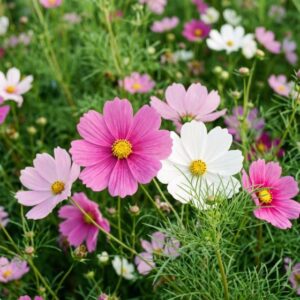
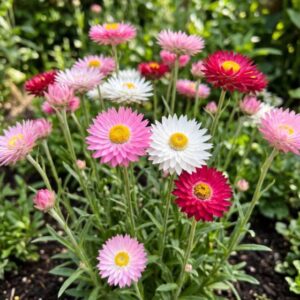
Images are for reference only. Actual flower color, flower size, plant height and flowering depend on seed variety, climate, soil, and care.
Reviews
There are no reviews yet.